Yearly Archives: 2016
OCT provides a better understanding about retinal damage in two rare neuromuscular diseases

The facial – scapular – humeral muscular dystrophy (FSHD) and myotonic dystrophy type 1 (DM1) are neuromuscular diseases with systemic clinical manifestations. Although rare, they are genetic myopathies most frequently encountered in adults. The diagnosis is confirmed
Medical products from human blood plasma in Scotland

A number of important medical products are obtained from human blood plasma; these fall into three main categories: – Immunoglobulins (antibodies) for treating disorders of immunity or certain infections, as well as for preventing rhesus disease of
Not all ticks bite you

If you are an eager hiker in forests of Europe, you have likely come across or at least heard of the sheep tick, Ixodes ricinus. Ticks are creepy! The sheep tick is well-known to transmit the pathogens
Being heard in the herd: do harp seals use pitch changes to reduce the cocktail party effect?
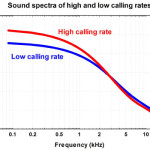
Every March, hundreds of thousands of harp seals migrate south to the Gulf of St. Lawrence, Canada, to give birth on the pack ice and to mate. They have a large repertoire of underwater calls that they
Folding proteins with a pich of salt

The slow but unstoppable progress of evolution has enabled, step-by-step, mutation after mutation, the conquest of almost every possible environment on Earth. Even in those places where conditions are far from “standard”, where the presence of organisms
The blue coma: the role of methylene blue in unexplained coma after cardiac surgery
More than 10% of U.S. citizens aged 12 and over take antidepressant medication, and this percentage is mirrored in many other countries. The most commonly prescribed antidepressant drugs are Selective Serotonin Reuptake Inhibitors (SSRIs), whose mechanism of
Primary care doctor follow up of buckle fractures of the forearm

A buckle fracture of the distal radius (wrist bone) is a very minor fracture and the most common fracture in childhood. A “buckle” fracture occurs when there is a wrinkling of the outer edge of the bone
Will dengue vaccination be cost-effective for an epidemic country? The case of Argentina

Dengue is one of the major tropical diseases, causing a huge burden in terms of suffering, deaths and economic costs globally. Many research institutions and pharmaceutical companies throughout the world have been trying to develop a vaccine
Treatment of preterm births with pregnancy hormone, human chorionic gonadotropin
Birth of infants between the 20th to 37th completed gestational weeks is considered preterm. They account for more infant deaths than from any other single cause. The incidence is about 9% in the U.S. and it is
Do plants have brains?

Many organisms have circadian clocks. These internal clocks play essential roles for predicting day-length or seasons, and they regulate behavior and hormonal secretion in animals, and also regulating flowering time and cell elongation in plants. In animals,
The undiagnosed, untreated key to restoring physical function and health in rheumatoid arthritis patients
Rheumatoid arthritis (RA) is characterised by adverse changes in body composition – specifically, reduced muscle mass (MM) and increased fat mass (FM). Indeed, when body composition is assessed (i.e. MM and FM are estimated), significant muscle loss
A new way for use of solar light in wastewater treatment

Acrylonitrile (CH2=CH-CN) is generally considered as hazardous pollutant since it is mutagenic, carcinogenic and teratogenic to human health. Traditional control technologies of acrylonitrile include adsorption and desorption, thermal and catalytic incineration at high temperatures and biotechnological abatement
Clinical depression predicts persistence of paranoia in clinical high-risk patients to psychosis

Pathways to both occurrence and persistence of paranoia and persecutory ideation have always been a topic of great interest in psychiatry research. Emotions, anxiety and depression in particular, have been in focus of this discussion. Wilhelm Griesinger
Training African health practitioners within Africa; expanding the skills pool

The African Paediatric Fellowship Programme (APFP) was established by the University of Cape Town (UCT) and the Red Cross War Memorial Children’s Hospital (RCWMCH) in 2007. The aim of the APFP is to create a network of
Cushing’s Syndrome: an update on current pharmacotherapy and future directions
Cortisol is an adrenal hormone essential for the maintenance of homeostasis, especially in response to stress. When cortisol levels are increased, this is defined as Cushing’s syndrome (CS). CS can be associated with increased morbidity, and when
Food and Nutrition cause liver and brain diseases with diabetes in the developing and developed world

In the world the consumption of a healthy diet is essential to prevent diseases such as obesity, diabetes and brain diseases. New discoveries in medicine indicate that a diet that is low in fat and carbohydrate lower
Can the developmental synchrony be affected by the mothers?

Biological synchrony is a ubiquitous yet highly diverse phenomenon, with examples as wide-ranging as applause among humans, migration of fish and birds, aggregation of insects, and mass flowering of bamboos. Developmental synchrony, resulting from reduced fluctuation in
Targeted exercise intervention for bradykinesia in Parkinson’s disease

Exercise has been used as an intervention for many diseases; however, to maximize the benefits of any exercise intervention there we must understand that exercise is not a blunt, unidimensional tool; but rather, a malleable prescriptive instrument