Category Archives: Research
Low temperature behavior of propane confined in porous silica

Behavior of fluids is known to differ when they are confined in pores with typical diameters of a few nanometers. In nature this scenario plays out in a lot of examples. For example, water and hydrocarbon gases
Does getting sick make kids weaker? The effect of appendicitis on muscle mass

Appendicitis is a common illness that can often be treated with a laparoscopic appendectomy, which is a relatively routine surgery. If it is caught early, patients are often able to go home the same or next day.
Biophysical modulation of lipid model membranes by cobalt and nickel
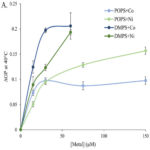
Cobalt (Co) and Nickel (Ni) are important industrial metals used in the manufacture of a variety of everyday products. Additionally, Co is an essential trace element for humans, involved in the structure and function of vitamin B12.
RNA-mediated epigenetic inheritance

The central dogma of molecular biology, which is still largely considered one of the most core fundamental concepts in the field, states that DNA is transcribed to RNA, which is then translated into protein. Although this statement
Adrenaline and liver mitochondria proliferation

The aim of our work was to define a possible role of adrenaline in the process of “mitochondrial biogenesis”. Mitochondria, the powerhouse of the cells, use oxygen as the last acceptor of electrons in their electron chain
Clubbing in patients with fibrotic interstitial lung diseases

Many years ago Hippocrates already described clubbing. Clubbing is a deformation of the nail base resulting in a swollen and spongy convex. It is frequently seen in patients with interstitial lung diseases (ILDs). ILDs contain a variety
A new strategy to drug development for neuromuscular disorder

Amyotrophic lateral sclerosis (ALS), also known as Lou Gehrig’s disease, is a neurodegenerative disease in which motor neuron (MN) loss in both the spinal cord and motor cortex causes progressive paralysis, muscle atrophy, and death. So far,
Physician-pharmacist collaboration: improving patient care through an interdisciplinary approach
General overview of physician-pharmacist collaborative management Within primary care settings, contemporary collaborative practices have aimed to embed the clinical pharmacist into a team-based-care model. Often referred to as the physician-pharmacist collaborative management (PPCM), it has recently been
Domain strain-engineering for epitaxial ferroelectric thin films by sputtering

The integration of multiferroic materials in the new generation of nanostructured electronic devices requires precise and orderly control of the thin films growth, taking into account the nature of such materials to develop domain structures, that is,
Infectious Leptospira cross-talk with host catecholamine’s during infection

Leptospira belongs to the family Leptospiraceae and the pathogenic species cause a zoonotic disease called leptospirosis. Leptospirosis is a worldwide zoonotic infection of human and veterinary concern, with approximately over one million cases reported annually. This disease
How can you tell that stem cells are good at math? You can watch them multiply and divide!

Blood production is an essential process in all vertebrate animals that needs to occur throughout an organism’s lifespan; red blood cells need to carry oxygen to distant tissues, platelets are required for stopping bleeding after injuries, and
Extracellular enzymes detecting heavy metal pollution in the Ganga River

India with more than 1.25 billion peoples is facing a significant challenge in meeting the growing water supply needs of burgeoning human population. Ganga, the most sacred river of India, that supplies water to over one fourth
Unlocking a cure from within for X-linked diseases

The mammalian X chromosome is home to many genes that are important for brain development and function, as well as genes associated with reproduction. More than 200 disease-causing mutations have been identified on the X-chromosome. Diseases caused
Fruit of the heirloom: ancient non-commercial plant varieties as superior sources of health-beneficial compounds

Lands subtracted to intense urbanization are home of a rich biodiversity, which is well exemplified by the occurrence of many different plant species. Plants thriving in such areas have established a perfect synergy with the local environment,
Excessive vascular fibrosis predicts early failure of hemodialysis fistulas

Patients with end-stage renal disease require a functional vascular access to receive hemodialysis and prolong their lives. The arteriovenous fistula (AVF) is the preferred vascular access for hemodialysis. The AVF is surgically created by connecting a superficial
Opium use increases the chance of pancreas cancer in a large population-based study
Pancreas cancer is a common cancer with few treatment options and as a result is associated with considerably reduced chances of survival for the patients. Several factors such as obesity, diabetes, and smoking (including smokeless and other
How can we make nanoparticles more effective against cancer?

Chemotherapy is an integral part of the present cancer treatment paradigm, despite its common and severe side effects. Nanotechnology provides a plethora of promising avenues for overcoming chemotherapy limitations. Drug encapsulation within nanoparticles helps to retain it
Tissue-specific MED1 LxxLL motifs play critical roles in HER2-driven breast cancers

Estrogen Receptor (ER) is a nuclear hormone receptor that plays important roles in normal mammary gland development as well as breast cancer growth and metastases. In a breast cancer setting, when ER is bound by estradiol, there is
Aggregation properties as potential markers for classifying rubber particle proteins

Natural rubber is an important biopolymer that mainly consists of cis-1,4-polyisoprene. The rubber tree Hevea brasiliensis is the only commercially viable source of natural rubber because of its good yield and the product’s high quality. Rubber elongation
A cool new way to cool (or warm)!

The cooling or warming of patients being treated for certain medical conditions can greatly increase their chance of survival. For example, survival after cardiac arrest can be almost doubled if the patient is gently cooled for about