
Author Archives: Tigran Dadalyan
May apple inspires new anti-tumour compounds that trigger preferential death of cancer cells

Mayapples (Podophyllum peltatum) are woodland plants, typically growing across most of the eastern United States and southeastern Canada. All the parts of the plant are poisonous even the leaves and the root. Mayapple contains podophyllotoxin which is
Review of ten-years presence of Aedes albopictus in Spain

The tiger mosquito was first detected in 2004 near Barcelona, although maybe it had arrived one or two years before. Since then, its distribution has been spreading and, in 2014, it has been found in almost all
Poor blood sugar control in elderly people with diabetes is associated with increased infection risk
Diabetes guidelines for doctors (such as those by NICE) suggest that they consider relaxing the blood sugar control targets for older people. This is because older people are less likely to get the long-term benefits of improved
Prox-1 and adipogenesis

Adipogenesis is the biological process that controls adipocytes differentiation and is one of the most well studied models of cellular differentiation. Adipose tissue is involved in the control of energy balance and especially in the study of
Safely basking in the sun: Some plants apply sunscreen only when they need it

Many of us are routinely advised by our dermatologists to put on our sunscreen before we go outside and to even add more sunscreen in the middle of the day when the sun’s UV rays are most
Outcomes of Influenza infections in hematopoietic cell transplant recipients
Influenza infection causes mild disease in most cases and severe complications in very few cases. The severity of influenza infection depends mainly on the type of influenza virus and the status of the patient’s immune system. Since
Unusual fractures in osteoporosis
Osteoporosis is common in our aging population and is a major reason for loss of independence and deterioration of quality of life. Medications are often required to treat osteoporosis and such treatments, particularly drugs of the bisphosphonate
Is there a relationship between carbon dioxide emission and agriculture?

According to the Earth System Research Laboratory 2015, the growth rate of carbon dioxide has increased over the past 36 years (1979-2014), averaging about 1.4 ppm per year before 1995 and 2.0 ppm per year thereafter. The
What if a surgically removed neck lymph node turns out to be cancer?

A rising epidemic in the United States is throat cancer, specifically a tumor called squamous cell carcinoma, induced by the human papilloma virus (HPV). Approximately 12,000 cases occur each year and the number is increasing. In this
Fighting chronic rejection of transplanted organs

In many diseases the only available cure is organ transplantation. However, if the transplanted organ does not derive from an identical twin (which is genetically identical to the recipient) it becomes rejected by the immune system of
How can lithium prevent stroke – Is the inner cell layer of our vessels the key?

Since decades, lithium is one of the most effective drugs for psychiatric diseases such as bipolar disorders; but lithium has a narrow therapeutic window. This means that lithium concentration in patients’ blood should be kept in a
Organic single crystal gains elastic flexibility

Organic fibrous materials, such as polymers, have attracted great attention due to their flexibility. On the other hand, organic single crystals are contrasting materials with less flexibility. Semiconducting films and fibers based on π-conjugated polymers have exhibited
Why do women go through menopause? Science offers a new solution to an old puzzle
Passing on our genes to the next generation is the key process in evolution that happens through natural selection. So why do women suddenly lose the ability to have children when they have at least a third
Does eating oily fish improve gestational and neonatal outcomes?

Fish is a source of long-chain polyunsaturated n-3 fatty acids (LCPUFA), and its consumption is associated with prolonged length of gestation, decreased pre-term birth rates, increased birth weight. However, fish may contain a number of pollutants which
Electric fields drive macrophage healing functions

When the skin is cut, or otherwise injured, a spontaneous electrical current is created immediately at the wound and this promotes healing. Several studies have demonstrated how naturally generated electrical fields cause movement of skin epithelial cells,
The inert noble gases are anything but inert biologically
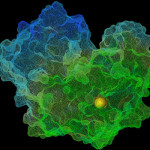
The noble gases (helium, neon, argon, krypton, and xenon) present an intriguing scientific paradox. They are extremely inert chemically, and very drastic conditions need to be employed to convert them into other compounds. However, they display a
Continuing the age of discovery in cardiovascular disease
A rare genetic defect involving the heart muscle is leading to early heart failure and potentially lethal heart rhythms for patients in Saudi Arabia. This disease, called Arrhythmogenic Right Ventricular Cardiomyopathy/Dysplasia or ARVC/D, involves healthy heart muscle
Bias in comparing nuclear and renewable energy scenarios

For decades scholars have debated energy policy choices, especially nuclear versus renewable energy. In a paper published in 2015 in the journal Conservation Biology, Brook and Bradshaw compared impacts and costs of future energy technology scenarios for
How to improve emission inventories related to cooking with solid fuels in the Indo-Gangetic Plain
Half of the world’s population utilizes solid fuels such as wood, crop residue, and animal dung for cooking, most of which are in developing countries. Often times in these settings, women spend several hours a day cooking
Is Inflammatory Bowel Disease becoming an epidemic?

Inflammatory bowel disease (IBD) is a group of inflammatory conditions that affect the entire gastrointestinal (GI) tract, but mainly the colon and the small intestine. It falls into the category of autoimmune diseases, in which the immune


