Tag Archives: disease
Mutations in the gene DLL4 cause Adams-Oliver syndrome
Adams-Oliver syndrome (AOS) is a rare hereditary disorder that occurs in 1 in 225.000 individuals and is characterized by the presence of both scalp and limb defects. Congenital anomalies of the heart and blood vessels are also
Kidney disease dramatically affects whether patients should undergo vascular interventions
Kidney disease is a significant risk factor for poor outcomes following vascular surgery, and should be taken into consideration when evaluating patients for elective vascular interventions. Patients with kidney dysfunction who are recommended intervention by a vascular
Color is not the whole story – varieties of deep purple sweet potatoes and their health properties

Purple plant foods (e. g. purple cabbage, purple cauliflower, blueberries) contain high amounts of anthocyanins, which are antioxidants responsible for the strong blue – purple colors. There are > 500 different anthocyanin molecules, some of which have
Can disruptive behaviors observed from age 1½ to 5 years predict children’s adjustment in first grade?

Disruptive behaviors (DB) embedded in psychiatric’ Diagnostic Statistical Manual (DSM) categories of Attention – Deficit/Hyperactivity Disorder ( ADHD ), Oppositional Defiant Disorder ( ODD ), and Conduct Disorder ( CD ) are the most frequent behavior disorders
A relationship between Idiopathic Adolescent Scoliosis and motion sickness

Advances the understanding of this disease? Adolescent idiopathic scoliosis is a three-dimensional deformity of the spine observed in 2 % of the adolescent population aged 10–16 years (Fig 1A). It is a serious medical condition, susceptible of
Why does BCG fail to protect against tuberculosis?

Mycobacterium tuberculosis (M.tb) is the microbe that causes tuberculosis (TB), a disease that kills one human every 18 seconds. In the last 80 years, only one vaccine has proven somewhat effective at preventing the development of TB
Another beneficial role for insulin in the brain: keeping the brain immune responses in check

Brain disease is an umbrella term, which is used to describe a broad variety of diseases ranging from epilepsy to Alzheimer’s disease to multiple sclerosis and everything in between. Brain diseases differ from each other at the
Uncovering mechanisms underlying Parkinson’s disease pathology
Parkinson’s Disease (PD) is a severely debilitating motor disorder characterized by loss of dopaminergic neurons and an increase of α-synuclein in a brain region known as the substantia nigra pars compacta (SNpc). Although much progress has been
Electrocardiogram screening in athletes:
A Good Return on Investment? In Austin, Texas, a bill requiring an electrocardiogram (ECG/EKG) as part of high-school athletes almost passed. An ECG is a non-evasive electrical tracing of the heart, which can reveal underlying heart conditions
Nanocarrier-based antioxidant therapy: promise or delusion?

It has been well established that the damage produced by Reactive Oxygen Species (ROS), which are highly reactive molecules with an unpaired electron, plays an important role in a large number of human diseases. Because of this
A disease of younger women

Cramp or pain during menstruation is very common, but telling a young woman that this is ‘normal’ without full assessment can be wrong as this can lead to many years of unnecessary suffering. There are many conditions
New and future strategies for asthma control in children

Asthma continues to be a predominant health concern in children despite advances in medical care. Children are being diagnosed with asthma at earlier ages, and the adverse effects of early-onset, poorly controlled asthma can last throughout childhood
MicroRNAs and physical activity

Physical activity has a recognised role in the prevention of non-communicable diseases, cancer included. To maintain a satisfying health level, the World Health Organization (WHO) has assumed that everyone have to practice at least 150 minutes of
Childhood psychosocial adversity and adult neighborhood disadvantage as predictors of cardiovascular disease

Childhood adverse psychosocial factors, such as parental divorce and long – term financial difficulties, have been linked to increased risk of cardiovascular disease. This is also the case for neighborhood socioeconomic disadvantage in adulthood. However, the combined
A hereditary mutation in Schwartz-Jampel syndrome

Schwartz-Jampel syndrome (SJS) type 1, also known as chondrodystrophic myotonia, is a rare autosomal recessive disorder characterized by short stature, neuromyotonia (sustained contraction of skeletal muscles), chondrodysplasia (abnormal development of the cartilage of long bones), joint contractures,
A new understanding of the mechanism of action of insulin sensitizing drugs provides insight into treating metabolic disease

It has been known for some time that there is a connection between diabetes and other diseases that increase with age, including important neurodegenerative diseases such as Alzheimer’s and Parkinson’s disease. Interestingly, all of these diseases are
CRIC: studying the silent epidemic of kidney disease

Chronic kidney disease (CKD) is a public health problem affecting more than 20 million Americans, and far more worldwide. Although CKD typically begins with no noticeable symptoms, it is a progressive disease which if untreated often leads
Memory mechanism demonstrated in humans

Long-term potentiation (LTP) is the pricipal candidate synaptic mechanism underlying learning and memory. LTP has been studied extensively in laboratory animals, but until recently, inquiry into the functional significance of LTP has been hindered by the absence
Evaluation of a new test for the diagnosis of Amebiasis
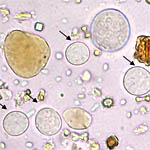
Amebiasis is a parasitic infection caused by Entamoeba histolytica and one of the most common parasitic infections world-wide, infecting about 50 million people and resulting in 10,000 to 40,000 deaths per annum. The diagnosis of E. histolytica
New generation Opto-Electronic Patch Sensor (OEPS): CareLight

In recent decades, the number of people suffering from chronic diseases has increased dramatically. Referring to the report of British Heart Foundation (BHF), almost 2.6 million people in the UK are living with heart and circulatory disease.