Monthly Archives: December 2016
Understanding how light fueled molecular motors induce motion in the surrounding medium

Similarly to their macroscopic counterparts, molecular motors can be defined as extremely small motors, that provided with a source of fuel perform mechanical work. The key is in the large scale difference: the motor is represented by
Modeling pattern deposition subject to contact angle hysteresis and finite solubility

In this paper we propose a theoretical model for the pattern deposition of a non-volatile solute mass off an evaporating sessile drop of a dilute solution. The dynamics of the three phase contact line between the solution,
Panorama on camp sensation of Bacteria
Since the first six decades of the twentieth century,the autonomous unicellular organisms, bacteria with unimaginable computational and evolutionary capabilities along with collective behavior has been running. Do not consider them to be small, simple and stupid because
CSF-1 receptor and its activators – new players in the nervous system and neurological disease

Macrophages, meaning big eater (from the Greek, makros (large) and phagein (to eat)), are cells, present in all tissues of the body, that engulf and degrade large foreign particles, such as microbes and also scavenge abnormal self
Antimicrobial peptides: the future of tuberculosis therapeutics?
Tuberculosis (TB) is a life-threatening disease that caused 1.2 million deaths, of a total 9.6 million new diagnosed cases, in 2014 alone, according to data from the World Health Organization (WHO). These data rank TB on top
Listen up: Our brains prepare to ‘tune in’ to a voice of interest
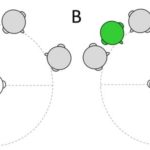
A fundamental challenge of human communication is to understand what someone’s saying in the presence of background noise—for example, when several conversations occur at the same time. In these situations, accurate speech understanding relies on the critical
Functionalized metal-organic frameworks for hydrocarbon azeotropes’ energy economic separation

Remember the small yet eye-catchy “Pick 5 differences” column in your Sunday daily every week?! An arduous session of mental exercise used to follow thereafter, to recognize the minute alterations among the two rather similar snapshots. The
Chronic rhinosinusitis patients with gastroesophageal reflux disease have a significantly higher prevalence of atopy and asthma

An association between chronic rhinosinusitis ( CRS ) and gastroesophageal reflux disease ( GERD ) has been previously reported. GERD shares several similarities with the pathophysiology of CRS and atopy. CRS and GERD both can present with
Current treatment for rheumatoid arthritis fails to improve patient’s body composition or physical function
Adverse changes in body composition – specifically, reduced muscle mass (MM) and increased fat mass (FM) – are characteristic of rheumatoid arthritis (RA). Indeed, when body composition is assessed, significant muscle loss is evident in ~67% and
Lyophilised mannitol: an attractive solid dosage from excipient

Mannitol is a pharmaceutical excipient that is receiving increased popularity in solid dosage forms. This study contributes to the development of mannitol as a potential excipient of the first choice. The purpose was to address the theory
Selective detection of the methyl orange dye among anionic guests

Azo dyes have found various applications in science, medicine and technology. Methyl orange dye is commonly used as pH-indicator that changes its color while protonated is another well-known hydrophobic anion. It is known that water-soluble macrocycles with
Citizen’s collaboration and aerial photographs can help understanding temporary streams

Temporary streams are those that undergo recurrent cessation of water flow or even complete disappearance of surface water. Waterways in which flow interruption occurs are frequent at headwaters in any climate type and are particularly conspicuous in
A predictive approach for nanotoxicity assessment using stem cells

Advance in nanotechnology has prompted the science world to recognize the risk and potential health effects associated with the growing as well as incongruous use of nanoparticles. The current methods often employ a predictive toxicology approach that
Cholesterol: the eyes have it

Cell membranes are a complex mosaic of lipids and proteins. The membrane phospholipids are arranged in a bilayer with their polar heads interacting with the surrounding water and their hydrocarbon tails forming a hydrophobic core. Membrane proteins
Pigments in flowers are not only attractive: Anthocyanins as a sunscreen for the pollen grains

Anthocyanins are the largest group of water-soluble pigments in the plant kingdom. They are responsible for most of the red, pink, purple and blue colours of flowers and fruits, where they mostly play a signalling role. In
Microbial assisted electrochemical desalination: a green option for water/wastewater treatment
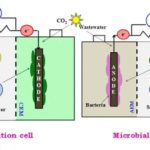
Wastewater discharged from industries can lead to adverse ecological effects. Commonly used conventional technologies for wastewater treatment are efficient in removing organic matter and nutrients (N and P) but less effective to reduce salinity. High salt concentrations
Genetic and non-genetic animal models for Autism Spectrum Disorders
Autism spectrum disorder (ASD) is a heterogeneous group of neurobehavioral problems with genetic and environmental origins. The major neurobehavioral changes are manifested by persistent deficits in social and communication interaction, deficits in developing, understanding and maintaining relationships,