Yearly Archives: 2017
Fish is an important source of micronutrients to fight the micronutrient deficiency, otherwise known as the ‘hidden hunger’

Macronutrients are the major nutrients such as carbohydrate, protein and fats, required in large quantities which provide the bulk of the energy whereas micronutrients (minerals and vitamins) are needed in small amounts in the body; however, are
Avoiding the dilemma between too much alcohol and too much volatile acidity in wine

Over the past 50 years, the average global temperature has increased at the fastest rate in recorded history, thus affecting the production of many crops, including wine grapes. Indeed, global warming uncouples technological and phenolic maturity of
New ligand for preconcentration of lanthanides from environmental samples prior to ICP-MS analysis

Lanthanides are a group of chemical elements (La-Lu) with very similar behavior. Due to their unique properties they find application in many high-tech fields as computers, liquid crystal displays (LCDs), clinical MRI, lasers etc. The increased usage
Technical revolution of D-amino acid profiling

Amino acids are essential and ubiquitous compounds for living organisms on Earth. Proteinogenic amino acids (except for glycine) have chiral carbon, and those enantiomers (L-form and D-form) exist (Fig. 1). L-forms predominantly exist in nature, therefore researches
Hospital readmission after head and neck microvascular reconstruction
Unplanned readmissions are associated with decreased healthcare quality and increased costs. This nationwide study examines causes for unplanned readmission among head and neck cancer patients undergoing immediate microsurgical reconstruction. Patients undergoing head and neck tumor resection with
The role of monocytes in ANCA-associated vasculitides
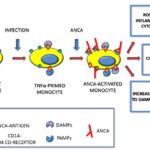
The anti – neutrophil cytoplasm antibody (ANCA) – associated vasculitides (AAV) include granulomatosis with polyangiitis (GPA), microscopic polyangiitis (MPA), and eosinophilic granulomatosis with polyangiitis (EGPA). These rare systemic autoimmune diseases affect small and medium – sized blood vessels, and are characterized by necrotizing vasculitis,
Diagnosing Fragile X syndrome by DNA methylation array

Fragile X syndrome (FXS) is the most common genetic condition which causes a range of developmental problems and intellectual disability in males. It is caused by a mutation in the fragile X mental retardation gene (FMR1), which
What are the psychological drivers of religious history?
When the Buddha became “Enlightened” he realised that what is important about human beings is their ethical intentions. These are the grounds of karma in Buddhism. And he realised too that everything we call a “thing” is
“Contagious and bad”. The stigma of Mycobacterial infections

Two diseases caused by mycobacteria, Tuberculosis and Leprosy, not only are they quintessential in the history of infectious diseases and humanity, but have survived the passing of the centuries still affecting millions around the world. Being present
Application of ultrasensitive electrochemical biosensors for specific analysis of a glycan on a prostate-specific antigen

Prostate cancer (PCa) is the second most common cancer worldwide, accounting for more than 1.1 million cases in 2012. The statistics says, that about 1 man in 7 will be diagnosed with PCa during his lifetime with
A figure-of-eight molecule twists the red light

Development of fluorophores for CPL, circularly polarized luminescence, has attracted much attention. CPL has large potential toward future applications such as 3D displays and biosensing. Major challenges in creating good CPL fluorophores are; 1) large anisotropic dissymmetric
New types of functional pasta enriched with lyophilized tomato or wheat bran antioxidant extracts

The increasing demand for healthy foods has encouraged food companies to direct new research and development activities towards products providing, beyond basic nutritional functions, beneficial effects for health and/or reducing the risk of chronic diseases, i. e.
A calixarene derivative mediates rapid detoxification of the deadly poison VX

On 13th February 2017, the half-brother of the North-Korean dictator Kim Jong-un was poisoned, supposedly with one of the deadliest known chemicals, namely, the nerve agent VX (O-ethyl S-[2-(diisopropylamino)ethyl] methylphosphonothioate). This poison is so effective that contamination
Cushing’s, coping and quality of life

Cushing’s disease (CD) and Cushing’s syndrome (CS) are rare illnesses in which the body is flooded by an excess of the hormone cortisol, leading to characteristic and severe symptoms, among them central weight gain, easy bruising, diabetes
Stanford scientists use nanotechnology to boost the performance of a key industrial catalyst

Nanoscale stretching or compressing significantly boosts the performance of ceria, a material widely used in catalytic converters and clean-energy technologies. A tiny amount of squeezing or stretching can produce a big boost in catalytic performance, according to
Molecular mechanism of phenotypic plasticity

Darwinian evolution is considered to be the way that life adapts in every possible environment in Earth. The great evolutionary biologist of the past century Theodosius Dobzansky used to say: “Nothing in Biology Makes Sense Except in
Conformal invariants for landmark curve based brain morphometry analysis

Abnormal structural changes measured on cortical surfaces are important biomarkers for Alzheimer’s disease (AD). In brain imaging research, landmark curves are usually delineated on cortical surfaces to represent significant sulcus and gyrus patterns. Landmark curves are widely
Osteosarcoma – lost in translation

A 16-year-old boy with pain around the knee of two months’ duration demonstrates a lesion in the epiphysis of the distal femur (long bone). The differential diagnosis may be broad, but the pathologist is able to achieve
Milk of breast is best: protection against RSV and subsequent wheeze with breastmilk
Respiratory syncytial virus (RSV) is a significant pathogen infecting infants and young children; approximately 70% of infants are infected with RSV before their first birthday and almost all children have been infected at least once by two
A potential radiotracer for imaging the lungs

Routine patient lung scans in the nuclear medicine department have for decades, employed a radioactive technetium-99m-aggregated-albumin particle injection dose, in conjunction with a ventilation dose of Tc-99m-aerosol in tandem. The lung scans are usually requested for patients