
Author Archives: karen
Materials for tomorrow: right next to us!

The idea of an artificial device able to help human parts to regenerate or to replace entirely one of the body functions attracted the attention of research teams around the world. During recent years, a route of
Protection from DNA-damage with the natural compound resveratrol

Resveratrol is currently known as a health-beneficial natural compound that is contained in grape skins, red wine, and other natural foods. Recent studies suggest that the compound could elongate the life spans of several organisms through a
Schizophrenia and the Cultural Revolution in China

Schizophrenia is a severe mental illness that affects around 1% of population in the world. Previous research has identified important causes of schizophrenia including certain genes as well as risk factors occurred at early life. However, few
Androgen receptor; a tale of two cancers

Prostate cancer and breast cancer share similarities as hormone related cancers with a wide range of heterogeneous settings. Macklin, as early as 1954, provided evidence for a significantly higher frequency of prostate cancer among relatives of breast
What if nanodiamonds aren’t people’s best friends?

The dynamic development of nanotechnology and nanoscience is associated with the increasing production and use of nanomaterials, such as nanodiamonds (ND), which have a diamond structure at a nanometer scale. They possess a variety of superior characteristics
A study of the acute effects of household air pollution on blood pressure in Indian women
Air pollution, and especially indoor air pollution from burning highly polluting solid fuels such as wood, crop residues, and coal, has intuitive and well-documented relationships with respiratory health. In recent years, many studies have also shown relationships
Plants versus pathogens: detection and deception

Novel research has unveiled more about the deception tactics used by plants in their continuous battle against attacks from disease-causing pathogens. These findings could help in breeding better crops to reduce losses and produce more food. In
A mild form of dermatomyositis as a prodromal sign of lung cancer: looking behind the skin

Dermatomyositis is a rare inflammatory disease characterized by specific skin findings and inflammatory lesions in the muscle biopsy. The most common clinical signs of dermatomyositis include an erythema over the face, neck and upper trunk known as
Malaria mosquitoes in the Solomon Islands are a single population that bite early and outdoors

Malaria transmission is controlled with interventions placed to protect people when they are indoors and sleeping, being bednets and indoor residual surface sprays. These interventions are most effective against mosquitoes that bite people when they are indoors
Failure to launch: Boredom in the brain

We’ve all been bored at one time or another. Nothing like the popular notion of the “couch potato”, we define boredom as an inability to engage with one’s environment despite the motivation to do so – a
Immunogenicity of Virus Like Particles (VLP) with modified envelope (Env) protein

HIV uses a special strategy to evade the immune system during the course of infection in a human, based on features of envelope protein. The HIV Env glycoprotein that forms spikes on the surface of virus particles
How to make astronauts more resilient on long-term missions
NASA plans to send people to Mars in about 20 years. A great deal of research is now being performed to identify and mitigate the major known risks to human health and performance during these types of
How to measure maximum animal performance

Scientists are often interested in the performance capabilities of animals, measuring how fast they can run or how hard they can bite. This information helps scientists understand how the bodies of different animals work and how they
X chromosome inactivation and escape: skipping Lyon’s law causes sex differences and disease

The sex chromosomes differ between males (XY) and females (XX) in mammals. The present-day sex chromosomes evolved from a pair of look-alike progenitor chromosomes that stopped recombining once sex was determined by a gene on the Y
Discrete research “love” of a Nobel price winner

Nobel price award provokes usually some questions concerning a wider background related to the interests of nominated scientists. Dr William Campbell got the Noble award in the year 2015 for his studies on the control of some
Neurocysticercosis

Neurocysticercosis is an infection of the nervous system and commonly resulted by the ingestion of Taenia solium eggs (pork tapeworm) after consuming undercooked pork, or contaminated water. The parasite can grow in the brain and spinal cord
How do bacteria divide and multiply?

Bacteria interact with our bodies every day, resulting in both positive and negative outcomes. We rely on the billions of beneficial bacteria in our microbiome to support our digestion and immunity. At the same time, pathogenic bacteria
Intracellular/surface proteins in pathogens: Another purpose in another place?

Bacteria use proteins on their surface to interact with host cells and tissues during infection. Proteins on the bacterial cell surface can also be good targets for developing new vaccines. The significance of surface proteins prompted many
Why can MDMA produce memory deficits?

MDMA is a synthetic drug belonging to the amphetamine family and has both stimulant and hallucinogenic properties. These features have become MDMA in one of the most used drugs by young adolescents. Many studies have described that
Deer keds: An expanding nuisance parasite in Fennoscandia
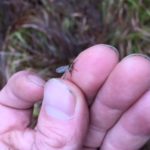
For those growing up hiking in the forests of Norway before the 1980’ties, it was always a bit of a relief when the mosquito season ended in late summer. Though it was getting colder, there were at


