
Author Archives: Tigran Dadalyan
Heat shock protein as a novel druggable target in angiogenesis?

Angiogenesis is a physiological process that involves formation of new blood vessels from pre-existing vessels for efficiently providing oxygen and nutrients during growth and development, as well as during wound healing. Under pathological conditions, angiogenesis is regulated
Screening breast MRI in patients with personal history of breast cancer
This study looked at patients who had a personal history of breast cancer diagnosed at a premenopausal age to see if having screening breast MRI provided a benefit to the patient. Patients with a personal history of
Systematic triangulation in evaluation

Data scarcity or unreliability and complexities of comparing and cross-checking information from diverse domains are among the most common challenges evaluators face. Systematic triangulation is a viable option to address such limitations. Used to identify key evaluation
How safe are we handling cytotoxics in academic laboratories in the UK?
Cytotoxics between practice and research Cytotoxics, mainly used in cancer treatment, are defined as agents that are toxic to living cells. Therefore, their handling needs to be carefully monitored in order to protect the user. The latter
Treatment holidays for patients with metastatic kidney cancer

Targeted therapy is the standard treatment of patients with metastatic cancer of the kidney. The best current therapies target the tumour vasculature thereby blocking the access of the tumour to nutrients and limiting possibility of spreading to
HOX genes: The Rosetta Stone of the human cells biology
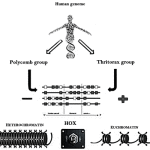
The cell memory program is a biological process that oversees several aspects of the cell life: i) where the new generated cell will be located ii) the fate of a new cell and the cell phenotype; iii)
Light enhances the blood glucose monitoring with naked eye

Enzymes play an important role in the body of a plant or animal. Natural enzymes have been extensively investigated and widely applied in industry because of their excellent properties, including high substrate specificity and catalytic efficiency. However,
Excess mortality associated with second hip fracture

Hip fracture increases death risk. Ten percent of survivors have second hip fracture. It is not known if second hip fracture further increases death risk. Here, we report that second hip fracture increases death risk beyond that
Global electronic properties dominate the reactivity of silver clusters with up to nano sizes

A metal block is composed of extremely large amount of metal atoms, while metal clusters consist of only two to about one hundred atoms. They stand for the transition between individual atoms and the smallest particles which
Emergency department presentation predicts poor outcomes after meningioma removal
A meningioma is one of the most common forms of a brain tumor. Unlike many other types of brain tumors, meningiomas are typically associated with relatively favorable outcomes even when they require surgical treatment. In the past
The impact of climate conditions on Cutaneous Leishmaniasis incidence

Cutaneous leishmaniasis (CL) is a vector-borne disease transmitted by the bite of an infected adult female sandfly. The female sandfly acquires Leishmania parasites in the blood meal intake on an infected mammalian host in order to obtain
The inflamed skin in atopic eczema contributes to the disrupted skin-barrier

Atopic dermatitis, also known as atopic eczema or neurodermitis, is a chronic allergic skin disease affecting 15 – 30 % of children and 2 – 10 % of adults in industrialized countries. Patients suffer from inflamed, red
Calcium disturbances in Parkinson’s disease

Parkinson’s disease is a common disorder of the brain that affects around 127,000 people in the UK alone. The disease is characterised by the loss of nerve cells (neurons) that control mobility. Symptoms include muscle stiffness, tremor
OCT provides a better understanding about retinal damage in two rare neuromuscular diseases

The facial – scapular – humeral muscular dystrophy (FSHD) and myotonic dystrophy type 1 (DM1) are neuromuscular diseases with systemic clinical manifestations. Although rare, they are genetic myopathies most frequently encountered in adults. The diagnosis is confirmed
Medical products from human blood plasma in Scotland

A number of important medical products are obtained from human blood plasma; these fall into three main categories: – Immunoglobulins (antibodies) for treating disorders of immunity or certain infections, as well as for preventing rhesus disease of
Not all ticks bite you

If you are an eager hiker in forests of Europe, you have likely come across or at least heard of the sheep tick, Ixodes ricinus. Ticks are creepy! The sheep tick is well-known to transmit the pathogens
Being heard in the herd: do harp seals use pitch changes to reduce the cocktail party effect?
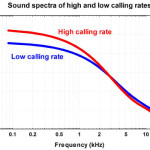
Every March, hundreds of thousands of harp seals migrate south to the Gulf of St. Lawrence, Canada, to give birth on the pack ice and to mate. They have a large repertoire of underwater calls that they
Folding proteins with a pich of salt

The slow but unstoppable progress of evolution has enabled, step-by-step, mutation after mutation, the conquest of almost every possible environment on Earth. Even in those places where conditions are far from “standard”, where the presence of organisms
The blue coma: the role of methylene blue in unexplained coma after cardiac surgery
More than 10% of U.S. citizens aged 12 and over take antidepressant medication, and this percentage is mirrored in many other countries. The most commonly prescribed antidepressant drugs are Selective Serotonin Reuptake Inhibitors (SSRIs), whose mechanism of


