
Author Archives: Tigran Dadalyan
Albuminuria and cognitive decline
People with type 2 diabetes (T2DM) have a 50-100% increased risk of developing cognitive decline and dementia as compared to people without T2DM. The reasons for this decline are not yet clearly defined but are likely to
Radiation therapy for nerve pain when cancer spreads to bones

One of the hallmarks of cancer is its ability to spread from the primary site of origin to other places in the body. Such secondary sites are called “metastases”. One of the commonest sites for cancer secondaries
Disregarded drivers of diversity within tumors
The past decades of cancer research have uncovered the staggering extent and widespread prevalence of intratumor heterogeneity, which refers to the differences between the genomes of cells in a tumor. In theory, each cancer arises from a
An important new tool to assess chemotherapy response in cancer patients
Although chemotherapy agents are widely used in the treatment of cancer, it is not widely known that for many patients with solid tumours, only a fraction receive a survival benefit from chemotherapy. This is particularly the case
The effect of a hydrogen sulfide releasing molecule on the cold storage of livers from dead donor rats

The liver is the largest organ inside our body and, as long as it keeps healthy, it will be in charge of a wide range of mechanisms that are essential for life. Liver will filter the blood
VIRTUOSO: Virtual clinical trials concept to help identify resistant tumors

The use of anti-cancer drugs (chemotherapy) is one of the standard-of-care therapeutic treatments routinely applied in clinics. However, a significant portion of patients who show a good initial response to the chemotherapeutic treatment become unresponsive to the
Estimation of the ground bearing capacity by means of VIS-NIR, SWIR and LWIR imagery

The indiscriminate use of agricultural and forestry machines cause compaction and rutting, producing severe soil damage. When soil is compacted and/or rutted, its porosity decreases, and consequently, the amount of oxygen that is required for a healthy
Generation and incorporation of electrophilic fatty acid nitroalkenes in triacylglycerides

Electrophilic fatty acid nitroalkenes (NO2-FA) are compounds formed in our body that induce protective programs in cells and tissues and reduce inflammation. Beneficial effects have been proven in various diseases such as diabetes, stroke, heart attack, lung
Epstein–Barr virus in peripheral blood predicts response to rituximab therapy in rheumatoid arthritis

Rheumatoid arthritis (RA) is an autoimmune disease, characterized by chronic inflammation of the joints that may cause permanent cartilage and bone damage. The cause of RA is unknown. It is, however, believed that a combination of genes
Water-saving microfilm has minimal algal impact
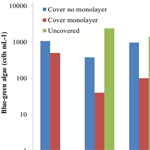
Technologies that reduce evaporation are attractive to water managers, as the annual amount of water evaporating from water storages can be more than the annual consumption of water for domestic and industrial purposes combined. The application of
Hair shedding in women: how much is too much?

Female pattern hair loss (FPHL) is the most common form of hair loss in women and reduces quality of life for sufferers. It is characterised macroscopically by hair loss and balding on the mid-frontal scalp and microscopically
Sex, salt, and the central nervous system: estrogen and body sodium balance

Historically, research about reproductive hormones like estrogen has focused on reproduction and reproductive behaviors. Certainly, this focus is understandable; however, it is becoming increasingly obvious that estrogen plays a broader role . In fact , estrogen profoundly
Major disaster has minimal effects on mental health measured by dispensing of psychiatric medication

There are well established links between traumas and psychiatric disorders such as Post Traumatic Stress Disorder, other Anxiety Disorders, and Depression. Traumas include events that affect individuals such car accidents, rapes, and violence as well as disasters
You are what you do: how we construct the mental image of our body

We commonly take our body for granted and have no doubt that our right hand, say, is part of our body. However, recent demonstrations of the rubber-hand illusion suggest that the mental representation of our body is
Photomultiplication type polymer photodetectors with broad spectral response range from UV light to NIR

Polymer photodetectors (PPDs) have attracted more and more attention due to the low cost, flexible and environment friendly and lighter weight compared to their inorganic counterpart. Up to now, most of the reported PPDs are photodiode type
A new general principle of virology
Shin et al describe for the first time a novel strategy used by persistent viruses to temporally regulate expression of the structural proteins that make up their virus particles. The viruses that infect humans and other mammals
Pre-radiation lymphocyte harvesting and post-radiation reinfusion in patients with newly diagnosed high grade gliomas
In people diagnosed with malignant brain tumors, the prescribed treatment is often radiation and chemotherapy; however, these treatments severely affect the immune system, increasing the chance of early death. Radiation in particular has been known to cause
Pre-treatment is important in the utilisation of food waste for the production of high value products

Proper disposal of food industry waste is a problem that developed as well as developing economies face alike. Conversion of food waste is a pioneering idea which can lead to huge financial gains while ensuring a healthy
Punching above their weight: how the smallest RNAs offer great promise for cancer biology

In recent decades, scientists have witnessed transformative developments in the field of RNA biology. RNA molecules are similar in composition to their more famous DNA counterparts (they are both nucleic acids), but are present in a variety
Computational refinement and validation protocol for proteins

HIV protects itself using a membrane layer of lipids which covers all proteins which could potentially be targeted by drugs. The only exposed proteins, gp120 and gp41 form spikes that protrude out of the lipid membrane. These


