
Monthly Archives: February 2017
The new definition of plasma remnant lipoproteins

The definition of remnant lipoproteins (RLP) in plasma has been confused for many years because of the variety of methods used to identify RLP. The most common definition of RLP proposed several decades ago has been the
Measurement of uncertainty of the calibration for the Intoxilyzer® 8000 breath alcohol analyzer

Breath alcohol analysis is most prevalent in determining a subject’s blood alcohol level for forensic use. This analysis is often used by law enforcement to determine if a driver is unfit to operate their vehicle on a
Gut pacemakers

Food turns into nutrients in the stomach and small bowel and the nutrients need to be absorbed through the epithelial cells and waste needs to be removed. The muscle layers of the gut make sure that gut
Mutations in cancer genomes avoid sites recognized by transcription factors

Genome mutations occur in cancer cells much more often than in normal cells. Mutations may unpredictably disrupt various genomic elements and affect important cell functions. Until recently, for the most part only coding regions of cancer genomes
The effects on the body of a fever

This article discusses the differences between pyrogenic (eg sepsis) and non-pyrogenic fever (eg classical and exertional heat stroke, and drug-related illnesses). Normal human temperature is around 37C, but may vary by up to 1C. ‘Fever’ is not
Lactated Ringer’s solution as “a solution” to reperfusion injury
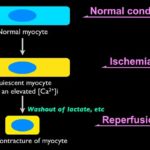
Reperfusion of the ischemic myocardium is crucial for salvaging myocardial cells from ischemic cell death. However, reperfusion injury attenuates the beneficial effects of reperfusion therapy for ST-segment elevation myocardial infarction (STEMI), thus limiting the myocardial salvaging effects
Beyond coffee production – Utilization of coffee residues

Different biomasses have been tested in the past for the production of platform chemicals which have the potential to substitute petroleum-based chemicals in chemical reactions. Predominant approaches thereby are the hydrolysis and subsequent conversion of hydrolytic products
Not remodeled left atria and mitral regurgitation: what learn from microstructure

Chronic mitral regurgitation (MR) is the most common type of heart valve disorder, frequently characterized by left atrial (LA) enlargement as a compensatory mechanism. This change in LA dimension may increase the risk of atrial fibrillation (AF)
Human cells can count their chromosomes – but how do they do?

Human cells normally carry 46 chromosomes. There are 2 gonosomes and 22 pairs of autosomes, numbered from 1 through 22. In male there are as gonosomes an X- and a Y-chromosome; in female there are two X-chromosomes.
Five distinct neuronal types inhabit the ventrolateral preoptic nucleus

The ventrolateral preoptic nucleus (VLPO) is considered as the main brain region inducing slow-wave sleep (SWS). Despite its physiological importance, the neuronal composition of the VLPO still remained incompletely described. Yet, the characterization of neuronal properties within
Predicting the properties of materials: Stepping into the unknown

To use a material, one needs to know and understand its properties – its density, its hardness, its strength, etc. – and the relation of the relevant properties to the desired application. Those properties listed above are
Staggering financial shortfalls to meet biodiversity targets in Kenya

Biodiversity is highly valuable for ecosystem functioning and the provision of ecosystem services, such as carbon sequestration and flood control. However, biodiversity is threatened by multiple human pressures on the natural environment, such as habitat loss and
Arsenic´s different effects under normoxia and hypoxia and its ambivalent role in cancer

Arsenic (As) is as natural contaminant in drinking water in particular in Argentina, Canada, India, Japan, China, Taiwan, Mexico, Chile, and the United States. It is best known as a toxic element which upon chronic ingestion is,
Let-7b expression in breast cancer: does have any implications on the DNA repair capacity?

Epigenetics study the changes on gene expression that occur without altering the primary structure of the DNA. Examples of epigenetic mechanisms that can produce such changes include microRNA ( miRNA ) silencing, DNA methylation, histone methylation, among
Oocyte activation and latent HIV-1 reactivation: AMPK links the creation of all human life and the potential eradication of HIV-1

In an active area of research known as HIV-1 cure research, the purposeful reactivation of latent/dormant HIV-1 in memory T cells, which induces death of the infected cell or alerts the immune system to the presence of
Inflammation was regulated by polyacrylic resins in human gingival fibroblasts

Temporary fixed prostheses are an important adjunct because they protect prepared teeth and prevent exposure of dental tissues. The most commonly used temporary restorative materials in prosthodontics are PMMA, MMA, and the more modern bis-acryl composites. The
Novel ROS1 mutations reveal a predictive mutational model for TKI sensitivity

In tumors with tumor-specific genetic alterations (i.e. 20-40% lung cancers), cancer cells are highly dependent on the function of a single oncogene, defined as ‘driver oncogene’ for their proliferation and survival. Many oncogene alterations have been identified
Occupational exposure to new influenza virus that infects cows

Influenza D virus (IDV) was first identified in 2013, and since been found in cattle and swine with influenza-like illness in multiple countries. It is closely related to influenza C virus but cannot exchange genes with influenza
Mangrove propagule size and oil contamination effects: does size matter?

Mangroves thrive in sheltered locations of intertidal zones of tropical and subtropical regions and are highly vulnerable to oil spills. Oil penetrates the soft mangrove sediments and coats aerial breathing roots. This leads to oxygen deficiency, suffocation,


