Monthly Archives: April 2016
Organic single crystal gains elastic flexibility

Organic fibrous materials, such as polymers, have attracted great attention due to their flexibility. On the other hand, organic single crystals are contrasting materials with less flexibility. Semiconducting films and fibers based on π-conjugated polymers have exhibited
Why do women go through menopause? Science offers a new solution to an old puzzle
Passing on our genes to the next generation is the key process in evolution that happens through natural selection. So why do women suddenly lose the ability to have children when they have at least a third
Does eating oily fish improve gestational and neonatal outcomes?

Fish is a source of long-chain polyunsaturated n-3 fatty acids (LCPUFA), and its consumption is associated with prolonged length of gestation, decreased pre-term birth rates, increased birth weight. However, fish may contain a number of pollutants which
Electric fields drive macrophage healing functions

When the skin is cut, or otherwise injured, a spontaneous electrical current is created immediately at the wound and this promotes healing. Several studies have demonstrated how naturally generated electrical fields cause movement of skin epithelial cells,
The inert noble gases are anything but inert biologically
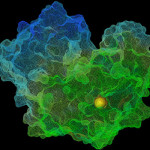
The noble gases (helium, neon, argon, krypton, and xenon) present an intriguing scientific paradox. They are extremely inert chemically, and very drastic conditions need to be employed to convert them into other compounds. However, they display a
Stellar dinosaurs in the prehistory of the Solar System

Prehistoric dinosaurs and the time when they were roaming the Earth have been discovered thanks to the bones we find and their radioactive content. In the same way, stars that lived before the formation of the Solar
Collagen V2.0: A system for re-engineering human type II collagen

Collagen is the main structural component in animals, making up approximately 30% of the total protein in our bodies. Collagen is an integral component of skin, tendon, bones, cartilage, and the placenta. Modern methods in cell biology
Music as a medicine for sudden hearing loss

Sudden sensorineural hearing loss (SSHL) is a disease that suddenly affects hearing in one ear without any special trigger and is often accompanied by tinnitus (a ringing in the ear), ear fullness, vertigo, dizziness. The rate of
Flares and pirouettes: the different moves of spinning bacteria

Bacteria often form together on surfaces in dense communities, known as biofilms. These cause medical and industrial problems because this lifestyle increases their resistance to disease and other stresses, making them difficult to remove. We aim to
How to avoid cisplatin associated hearing-loss using nanoparticles

Cisplatin (CDDP) is a highly effective chemotherapeutic agent against a variety of solid tumors including head and neck, lungs, ovary, bladder and testicles, however, it presents severe side-effects that affect kidney function, nervous system and hearing. There
Electrostatic charging of pharmaceuticals – a multifaceted phenomenon

Pharmaceutical solids are usually insulators and thus they are likely to carry an electrostatic charge during powder handling processes. Tribocharging is a popular phenomenon in pharmaceutical solids that arises from particle – particle and particle – wall
Paper-based sensor for on-site detection of hydrogen sulfate in water

In 2013 UNICEF reported that ca. 2200 children below 5 years old die every day of diarrheal diseases. This report also indicates that around 90% of these deaths are the consequence of unsafe drinking water. The detection
High-level incorporation of silver in gold nanoclusters for detecting hydrogen peroxide and herbicide

Recent advances in synthesizing noble metal nanoclusters (NCs), in particular Au and Ag NCs, offer a promising class of fluorescent probes for constructing optical sensors, which are expected to improve their features in terms of simplicity, photostability
Using computers to understand the deposition of pollutant and therapeutic aerosols in the human lungs

In an urban setting, suspended pollutant particles enter our lungs along with air we inhale. A good portion of them gets deposited on our airways, often inducing toxic effects. A young child or an elderly patient facing
Rat speech patterns predict future alcohol use and reveal past alcohol experience

Heightened emotional states increase impulsive behaviors such as excessive alcohol drinking in humans. However, very few animal studies have focused on the role of emotional status as a motivator of alcohol drinking. This is a major roadblock
Continuing the age of discovery in cardiovascular disease
A rare genetic defect involving the heart muscle is leading to early heart failure and potentially lethal heart rhythms for patients in Saudi Arabia. This disease, called Arrhythmogenic Right Ventricular Cardiomyopathy/Dysplasia or ARVC/D, involves healthy heart muscle
Bias in comparing nuclear and renewable energy scenarios

For decades scholars have debated energy policy choices, especially nuclear versus renewable energy. In a paper published in 2015 in the journal Conservation Biology, Brook and Bradshaw compared impacts and costs of future energy technology scenarios for
How to improve emission inventories related to cooking with solid fuels in the Indo-Gangetic Plain
Half of the world’s population utilizes solid fuels such as wood, crop residue, and animal dung for cooking, most of which are in developing countries. Often times in these settings, women spend several hours a day cooking
Is Inflammatory Bowel Disease becoming an epidemic?

Inflammatory bowel disease (IBD) is a group of inflammatory conditions that affect the entire gastrointestinal (GI) tract, but mainly the colon and the small intestine. It falls into the category of autoimmune diseases, in which the immune