
Author Archives: karen
Is wood nanocellulose a good option for biomedical use?

The tiny wood cellulose nanofibrils (Fig. 1) have been suggested for a series of different applications, including biomedical use. However, is the material adequate for such a demanding application that would require direct contact with the human
Transpersonal experiences during catastrophic events

During World War I, Will Bird’s brother, Steve, had been killed. After his death, Steve visited Will, also a soldier, on numerous occasions looking out for him, warning him of dangers. In today’s research environment, this type
Gorham disease
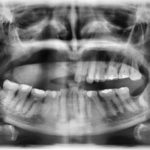
Gorham disease is a rare condition affecting bones of skeletal system with unknown cause. To our knowledge the number of identified cases worldwide ranges around 300. Gorham and Stout were the first to define this disease back
The reality of latent tuberculosis bacillus?

Tuberculosis is caused by the infectious agent known Mycobacterium tuberculosis (Mtb) (Fig. 1). This rod-shaped bacterium, also called Koch’s bacillus, was discovered by Dr. Robert Koch in 1882. When a person breathes in Mtb-contaminated air, the inhaled TB bacteria
Are Ecdysteroids insect hormones?

The polyhydroxylated derivatives of 7-dehydro, 6-ketocholesterol (Ecdysone, Ecdysteroids, Ecd) were accidentally discovered in the search for an insect moulting hormone in 1965. The first Ecd compound, named ecdysone (“ecdysis” = shedding off the cuticle), was isolated from
Stress hormone level shoots up during abiotic stress to sustains the stress in S. quadricauda

Energy is an inevitable part and makes life possible. Globally, over 90 percent of transportation energy requirement is met by fossil fuels. International Energy Agency (IEA) predicts that, if we continue to use the fossil fuel at
Measurement of skin strain patterns caused by fingertip shearing

Humans have the ability to dexterously manipulate objects of different shape, weight, texture and softness with their hands. While such capabilities appear straightforward and easy, it actually reveals our ability to precisely adjust the grip force (GF)
MicroRNAs fighting muscle wasting during ageing
Have you ever wondered why we age? With time, our joints, bones and muscles become weaker; wrinkles appear and we lose hair and sense of hearing and sight. However, not only our body experiences external changes; inside,
Seeing the signs: Acromegaly

Acromegaly is a rare disorder typically caused by a growth hormone (GH)-producing tumor in a small gland at the base of the brain: the pituitary. This organ is a “master gland”, controlling the production and release of
Diversity and function of bacteria living inside a plant relevant for soil remediation of metals

Salt marshes are among the most productive ecosystems on Earth and are sometimes subjected to pollution. The vegetation in this type of environment is, as a consequence, highly specialized to endure its surroundings. For over four decades,
Pathological role of oxidative stress and related with schizophrenia in T. gondii infection

Toxoplasma gondii (T. gondii) is an obligate intracellular parasite that infects all warm-blooded animals, including humans. Oxidative stress (OS) occurs when there is an imbalance between pro-oxidant and antioxidant factors and is induced by reactive nitrogen species
Prairie dogs kill ground squirrels to improve reproductive success

Individuals of different species commonly compete with each other. African lions and spotted hyenas compete for the same prey, for example, and brown anoles and Carolina anoles frequently fight with each other to secure the best territories.
When young are more conspicuous than adults: a case in frogs

One frog species, Clinotarsus alticola, described in 1870 was well known by its tadpole that bears remarkable characteristics (a relative large size, several large pairs of glands whose the most conspicuous lies behind the eyes, patches of
Miniature size induced fit and cage effect found in crown ether host-guest complexes

Crown-ethers (CEs), abbreviated as 3n-Crown-n (3nCn), (n= 4–8), are macrocyclic molecules built with several oxyethylene (-CH2-CH2-O-)n units. In 1967, Pedersen discovered the first CE, dibenzo18C6, and was awarded Nobel Prize in 1987 because CEs have opened a
How structural biologists understand the structure of protein in solution: the example of IscA

Proteins are macromolecules responsible for most of the biological activities required for life. Different proteins have different biological functions. Scientists have identified almost 8 million different proteins in 1,800 analyzed living species. Let’s describe briefly proteins and
Phospholipase C break membrane lipids during plant adaptation under stress

Plants constantly encounter various biotic and abiotic stresses in the environment. These stresses present adverse growth conditions, which affect the plant development, longevity and productivity. The crop production is decreasing rapidly due to the negative impact of
Malaria mosquitoes in the Solomon Islands feed mainly on humans in the absence of other hosts

Malaria transmission is governed by the interactions between humans , malaria parasites and the anopheline mosquitoes. A mosquito’s tendency to feed on humans has a huge influence on potential for malaria transmission. Crucially, mosquitoes differ in their
Selecting for selective enzymes: Engineering P450s to produce chiral alcohols

Hydroxylation is the insertion of an oxygen atom into a C-H bond, to give chemicals with a C-O-H linkage (commonly known as alcohols). The process of hydroxylation is one difficult for chemists to achieve due to the
Two male forms vs one female form in a new black fly discovered from Malaysia

A new species of black fly (tiny, two-winged biting fly with its body 2–3 mm long) discovered from Sabah and Sarawak, Malaysia, was given a new name, Simulium mirum. Simulium is a genus name and mirum is
The tripartite cognitive model of panic disorder

Panic attacks (PA) are very common phenomena and represent a nonspecific risk factor for psychopathology. Approximately 5% of individuals who experience unexpected PA develop panic disorder (PD), a chronic clinical condition of recurrent unexpected PA and persistent


