Category Archives: Research
Nanoscale engineering of heterostructured anode materials for boosting lithium ion storage

Rechargeable lithium ion batteries (LIBs), as one of the most important electrochemical energy storage devices, currently provide the dominant power source for a range of devices including portable electronic devices and electric vehicles due to their high
Gamete activation: what else?
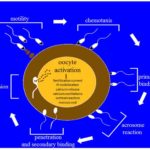
Fertilization is the complex and unique process that marks the creation of a new individual. Mutual activation of gametes is a crucial event during fertilization where the two metabolically quiescent cells, upon a reciprocal signal, undergo structural
‘HATs On’: A small molecule with big potential in epigenetic therapy for Parkinson’s disease

Parkinson’s disease (PD) is a common, progressive and age-related neurodegenerative disease, whose incidence is set to double by 2030 as people are living longer. At present, it is estimated that ten million people worldwide suffer with PD.
What’s your move? The ecological influence of personality-dependent space-use patterns in animals

In ecology we often try to answer questions about the processes that determine population dynamics, and interactions between individuals within or between species (e.g., competition for resources and predator – prey dynamics, respectively). The way animals move
Nanoparticle can directly permeate across cell membrane without membrane disruption

Nanoparticles (NPs) have been attracting much attention for biomedical and pharmaceutical applications. In most of the applications, NPs are required to translocate across the cell membrane and to reach the cell cytosol. Experimental studies have reported that
TSPO, bond of ages

In the microbic world of about 3.5 billion years ago, unicellular eukaryotes (organisms with cell nuclei) started to form a symbiosis with prokaryotes (organisms without cell nuclei). These prokaryotes were bacteria that could breath oxygen, whereas the
Holding the last line of defence against malaria

Malaria contributed to the deaths of almost half a million people worldwide in 2015. This disease mainly affects people in the developing countries and imposes a serious health and financial burden. Artemisinin (ART)-based combination therapy is the
Control of plant architecture by gravity

Plants are permanently tethered to the soil and thus, unlike animals, they cannot physically escape from harmful situations. Instead, they have evolved mechanisms to adapt their growth to an ever-changing environment. A simple example of this phenomenon,
A new role of neutrophils in the promotion of experimental abdominal aortic aneurysm
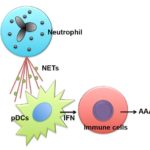
Neutrophils are the most abundant type of white blood cells in the human body and account for approximately 60% of all cells circulating in the bloodstream. They are the first cells recruited in response to an infection and constitute
Estimating occupational exposures in large general populations made easier
In occupational epidemiology we are interested in associations between exposures that occur in the workplace and detrimental health effects. Ultimately with the goal of preventing harmful exposures to continue. Simply comparing exposed workers with non-exposed workers will
MutS, a guardian of the DNA replication fidelity

Spontaneous mutations act as engines to drive evolution; and lead to the development of antibiotic resistance by pathogenic bacteria and the initiation of human diseases. An important source of mutations corresponds to biosynthetic errors generated during replication
The flipside of cystic fibrosis protein transport

Deficiency of ATP8B1 in humans causes severe progressive liver disease that is characterized by impaired bile flow. Besides liver disease, many ATP8B1 disease patients develop extrahepatic symptoms of yet unknown etiology such as pulmonary infection and defects
Why narcoleptic mice exhibit faster recovery from sickness behavior?

Hypocretin/ataxin-3 mice (which are postnatally depleted of hypothalamic hypocretin neurons) were administered LPS. As a result, hypocretin/ataxin-3 mice were increased in sleep compared with wild-type littermates and showed faster recovery from sickness behaviour. We examined changes in
Fluidizing membranes: a simple way to assist in the formation and size-control of giant polymersomes

In the 2005 article “A Giant Step Towards Artificial Life”, David Deamer outlined twelve requirements for creating an artificial cell or “protocell.” The very first of these steps is to form a membrane enclosure, encapsulating all of
Relative Reinforcing Efficacy predicts smoking abstinence among treatment-seeking smokers

Relative Reinforcing Efficacy (RRE) is a central concept of behavioral economic theories of addiction referring to the behavior-strengthening or behavior-maintaining effects of a drug or specific dose of a drug. A recent approach for assessing RRE within
Radiation-induced morphea: an under-recognized complication of breast radiation

Worldwide, breast cancer was the most common new diagnosis and common cause of death in women in 2012. As screening for breast cancer has improved patients are often identified in the early stage of disease and are
The oncolytic virus ∆PK has multi-modal anti-tumor activity

Oncolytic viruses (OVs) are an emerging cancer therapeutic based on tumor cell lysis by replicating virus and the resulting release of cellular proteins [viz. tumor-associated antigens (TAAs)], which modulate tumor immunogenic cell death (ICD). OVs have a
A pill a day to prevent HIV? Successes and challenges of pre-exposure prophylaxis in the real world

Pre-exposure prophylaxis (PrEP) is a pill composed of two antiretroviral drugs (tenofovir disoproxil fumarate and emtricitabine, or TDF/FTC) that prevents HIV infection. Numerous studies have now shown that when taken daily, this medication has the potential to
Capula’s index: a new promising tool in the management of gestational diabetes mellitus screening

Gestational diabetes mellitus ( GDM ) has become a major public health concern whose prevalence is increasing globally , together with the increased rates of obstetric and neonatal complications. Notwithstanding this evidence, a worldwide consensus about the diagnostic
Improving asthma control, one school at a time

Asthma is a big problem: it affects almost 10% of children in the United States and costs $56 billion a year in direct and indirect costs. Every day, 36,000 children miss school because of asthma, and children