Category Archives: Research
Family, cholesterol and the genes from the ground up or why screening matters

In 1913, the “cholesterol theory” of atherogenesis was proposed. In the 1930s a genetic disorder, familial hypercholesterolemia (FH), which is associated with elevated levels of low-density lipoprotein (LDL) cholesterol and high risk of heart attack at an
Towards safer prescribing of benzodiazepines and z-drugs
Benzodiazepines and z-drugs are medicines used to treat things like insomnia, anxiety and some types of pain. Guidelines recommend that they should only be taken in the short-term, but research shows that patients are taking them long-term.
Catch the metabolomic fingerprint of a complex natural product and predict its quality!

This is the first work published so far, that shows the application of a comprehensive metabolomic fingerprint analysis to assure the production’s quality of complex natural products, especially those based on medicinal plants. Natural products as medicinal
Toxicity of graphene in lung alveolar epithelial cells

Graphene is a fascinating nanomaterial that has garnered significant scientific interest because of its unique properties such as superior thermal and electrical conductivity, high mechanical strength and unique optical properties. Due to this reason graphene has numerous
Bioactive hollow nanofiber-based leaves can convert CO2 to methanol under irradiation of visible light

Using limitless solar energy to produce artificial energy and chemical fuels from CO2 provide one of the most promising strategy overcoming the depletion of mineral resources on earth and over emissions of carbon dioxide. In nature, such
The risk of childhood eczema is associated with immune molecules in mothers breast milk

Maternal breast milk is the main source of nutrition during early life, which is a critical period for immune development of the child. Breast milk contains bioactive enzymes, hormones, growth factors and immune modulating factors, which are
Use of mental health services provides long term benefits to adolescent witness of violence in community
Violent victimization is known to negatively affect healthy progression of adolescents’ development. Thus far, we know it is linked to multiple adverse health risk behaviors such juvenile delinquency, increased levels of violent behavior and weapon use, increased
Non-invasive whole-body imaging of fibrosis: is it feasible?

Fibrosis is a chronic, life-shortening disease that can occur either as a consequence of genetic defects or in response to inflammation or damage. Such body systems as respiratory, gastrointestinal, musculoskeletal, genitourinary, and reproductive can be affected. Fibrosis
Promiscuous drugs exemplified by dopamine receptor ligands

Dopamine, often referred as “the happiness hormone”, is one of the most prominent messenger molecules in the human brain. It is a precursor of noradrenaline and adrenaline, which are neurotransmitters as well. Most people heard about dopamine
Hyper IgM syndrome in North America: a rare disease of a critical step in the immune response pathway

Hyper IgM (HIGM) syndromes are a group of rare genetic disorders leading to ineffective immune responses. People with this immune defect are usually diagnosed in early childhood due to frequent infections. Most of these are common but
Downside of graphene – a miracle material

Any engineered nanomaterials should undergo thorough investigation on risk and health hazards imposed by them before available in the market for consumption. Graphene, a 2D carbon based material with hexagonal lattice structure along with its inherent physicochemical
Migration and perinatal mental health

There are currently an estimated 1 billion migrants globally, with trends increasing dramatically. Migrants have higher rates of physical and mental illness than their non-migrant counterparts due to multiple stressors experienced before, during and after migration (Fig.
Eye opener: the gate for immune cells entering the injured eye

Disease or injury to the retina or optic nerve is one of the main causes of blindness worldwide. As such, major research efforts have been invested in finding ways to protect the neuronal cells of the retina
Understanding how light fueled molecular motors induce motion in the surrounding medium

Similarly to their macroscopic counterparts, molecular motors can be defined as extremely small motors, that provided with a source of fuel perform mechanical work. The key is in the large scale difference: the motor is represented by
Modeling pattern deposition subject to contact angle hysteresis and finite solubility

In this paper we propose a theoretical model for the pattern deposition of a non-volatile solute mass off an evaporating sessile drop of a dilute solution. The dynamics of the three phase contact line between the solution,
Panorama on camp sensation of Bacteria
Since the first six decades of the twentieth century,the autonomous unicellular organisms, bacteria with unimaginable computational and evolutionary capabilities along with collective behavior has been running. Do not consider them to be small, simple and stupid because
CSF-1 receptor and its activators – new players in the nervous system and neurological disease

Macrophages, meaning big eater (from the Greek, makros (large) and phagein (to eat)), are cells, present in all tissues of the body, that engulf and degrade large foreign particles, such as microbes and also scavenge abnormal self
Antimicrobial peptides: the future of tuberculosis therapeutics?
Tuberculosis (TB) is a life-threatening disease that caused 1.2 million deaths, of a total 9.6 million new diagnosed cases, in 2014 alone, according to data from the World Health Organization (WHO). These data rank TB on top
Listen up: Our brains prepare to ‘tune in’ to a voice of interest
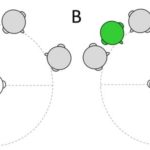
A fundamental challenge of human communication is to understand what someone’s saying in the presence of background noise—for example, when several conversations occur at the same time. In these situations, accurate speech understanding relies on the critical
Functionalized metal-organic frameworks for hydrocarbon azeotropes’ energy economic separation

Remember the small yet eye-catchy “Pick 5 differences” column in your Sunday daily every week?! An arduous session of mental exercise used to follow thereafter, to recognize the minute alterations among the two rather similar snapshots. The