Botryococcus braunii – A potential source of high value chemicals

High value biochemicals, including lipid, protein, polysaccharide, and carotenoid, etc. are gaining significant attention in energy development and waste resource utilization. Among a variety of high-value feedstocks, microalgae are particularly promising because of their high value biochemicals
Chronic unpredictable environmental stress is harmful to humans

Stress refers to the mental and emotional change of state from normal homeostasis. In another words we can say that stress happens when we are worried for something and feeling uncomfortable. Chronic unpredictable environmental stress (CUES) refers
Cuddling of babies born extremely preterm before admission to the Neonatal Intensive Care Unit

Delivery of a baby before 37 weeks’ gestation is known as premature birth. Some babies may be born more than 12 weeks early – at 27 weeks’ gestation or even less. This is commonly termed ‘extremely preterm’.
Function matters: visual stimulation protects the retina against ischemia

Retinal ischemia is a condition involved in several prevalent retinal degenerative diseases such as glaucoma and diabetic retinopathy, which cause visual impairment and blindness. Current research focuses on the development of neuroprotective strategies against ischemic retinopathies, but
Why constrain human taxonomic diversity?

Although the discovery of ancient humans remains was first reported in 1833, the Neanderthal bones from Feldhofer Grotto were the first to receive a species name: Homo neanderthalensis (King 1865). In 1894, Dubois boldly referred “ape-man” specimens
Allosteric degraders of EGFR leading to cancer cell detachment-promoted death

Epidermal growth factor receptor (EGFR) allosteric tyrosine kinase inhibitors (TKIs) have emerged as a therapeutic option for overcoming drug resistance in cancer. We have developed furfuryl derivatives of 4-allyl-5-[2-(4-alkoxyphenyl)-quinolin-4-yl]-4H-1,2,4-triazole-3-thiol and have shown that these compounds bind to
The minimally invasive and percutaneous ways: A tale of two approaches for heart valve implantation
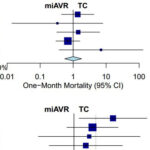
Over the decades, advances in medicine have led to large increases in life-expectancy, a fact most are grateful for. However, accompanying this boost in longevity we also find a rise in what are known as “aging-related diseases”,
How to reduce salt in bread by fooling taste

Reducing sodium dietary intake is a global priority in public health. The World Health Organization (WHO) recommends sodium intake for adults to be 2 g/day maximum, equivalent to 5 g/day of cooking salt (sodium chloride, NaCl), whereas
Plasma cell myeloma: an integrated diagnosis of multiple dimensions

Plasma cell myeloma, a neoplastic proliferation of plasma cells, is one of the most common malignancies in the world. The clinical symptom and treatment response of individual patient are variable, which may relate to the underlying heterogeneous
Lipids keeps shrinking with aging and neurodegeneration
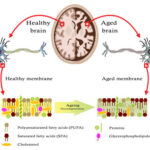
I remember when my Biology teacher at the secondary school introduced us for the first time to the biochemical components of the living cells. I was immediately fascinated by the elegant code making of the nucleic acids,
Prevention of congenital heart anomalies: the secret kept by embryonic stem cells

CITED2 is a transcriptional modulator involved in the regulation of the expression of many other genes in vertebrates. At very early stages of embryo development, CITED2 is particularly important for heart formation, a process also termed cardiogenesis.
DFT for designing efficient supercapacitor electrode materials

Josef MacDouall once said “Chemistry is a game that electrons play”. If one were able to know the roles, they could control the game and uncover the mysteries of materials, which are the backbone of our modern
When will my mouse die?

The maintenance of health is ensured by the function of the three homeostatic systems of the body: the nervous, endocrine and immune systems, and by the net that allows crosstalk between them: the neuroimmunoendocrine communication. With aging,
The olive fruit fly is never alone! Can its bacterial symbionts be useful in managing this olive pest?

The notion of individual has changed trough time, and truly, we are never alone as most organisms are entangled in symbioses. As first used in 1879 by Anton de Bary, symbiosis refers to close, long-term associations between
Stimulating nursing students’ interest in community care through curriculum-redesign

Despite increased healthcare extramuralisation, related to increased elderly patients living at home, most nursing students still see the hospital as career favourite. This is problematic, because of the widespread labour-market shortages in community care in many Western
Rapid monitoring of the impact of polymicrobial infections using electrochemical sensors

The development of bacterial infections is a major challenge as pathogenic bacteria spread through healthcare facilities where patients may come in contact with complex bacterial communities heavily colonizing on hospital surfaces. These bacteria cause internal and external
Autophagy suppression decreases craniofacial bone mass

Macroautophagy (hereafter autophagy) is the main intracellular degradation mechanism to maintain cellular homeostasis by degrading misfolded proteins, recycling dysfunctional organelles, and generating energy fuels under physiological and pathological conditions. Autophagy consists of two major steps: autophagosome formation,
Novel genetics approach identifies GNAS gene as an important prerequisite for β-cell secretory capacity

Type 2 diabetes mellitus (T2D) is a major health burden in developing and industrialized countries (www.idf.org). Common genetic variations, susceptibility genes, epigenetic regulation, and miRNAs have been suggested to be profoundly involved in the pathogenicity of T2D.
Biodrying. A novel technology to treat organic wastes

Different reuse pathways for sewage sludge (SS) produced in wastewater treatment plants (WWTPs) and other organic waste exist, such as its direct application as agronomic soil or with a previous composting process to enhance the agronomic qualities
Soil and water bioengineering – Sustainable erosion solutions for the Mediterranean
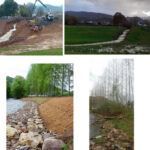
Accelerated soil erosion and loss is a serious environmental problem, particularly for the Mediterranean region, due to its long history of human pressures, seasonally contrasting climate and rugged topography. Anthropogenic activities such as agriculture, deforestation, urbanization and